Downloadable
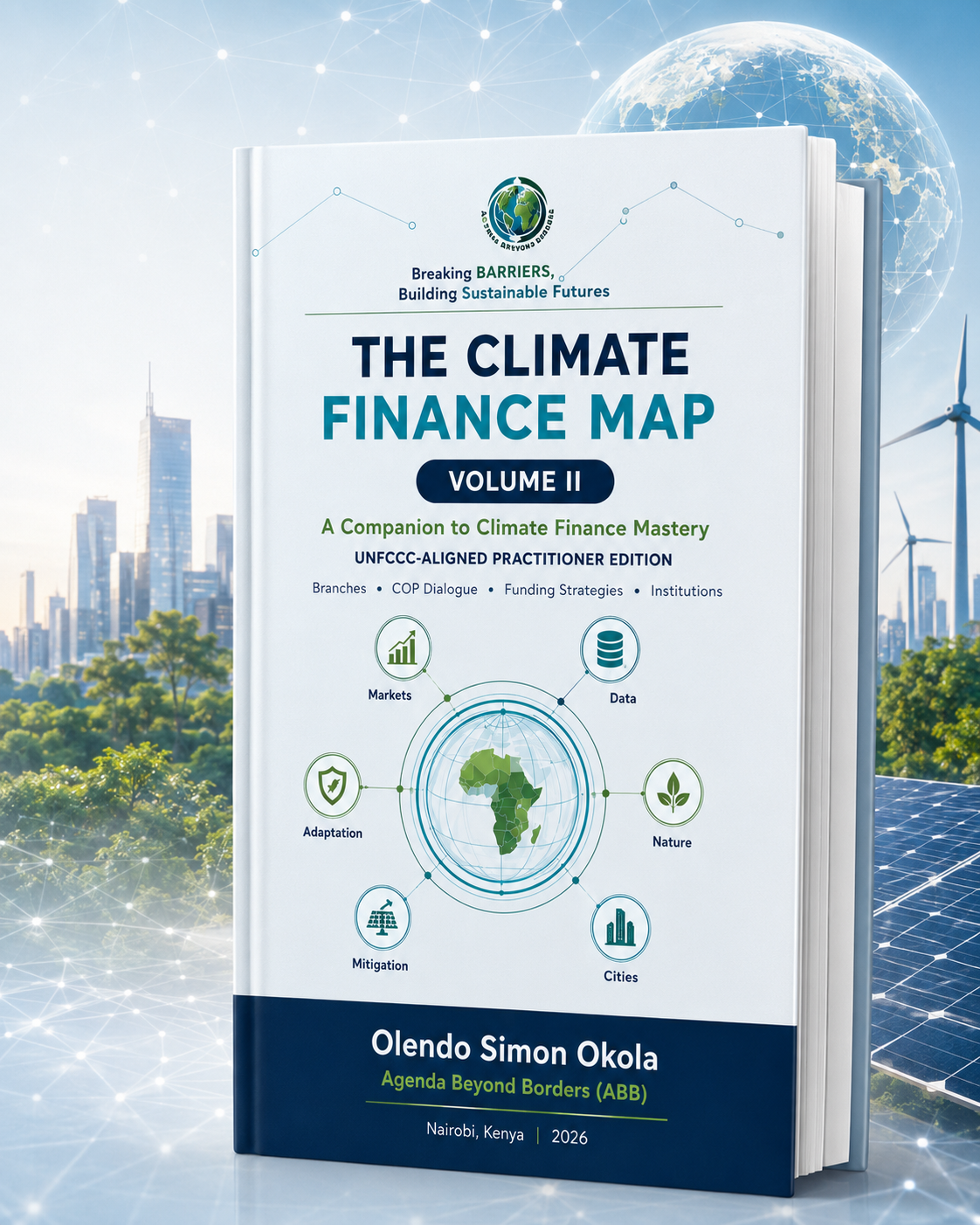
The Climate Finance Map – Volume II - A Companion to Climate Finance Mastery: UNFCCC-Aligned Branches, Instruments, Institutions and Implementation Pathways
(0 Ratings)
1
$10.05+$33.5
$
Move from climate-finance knowledge to practical funding decisions
Many organisations understand climate change but still struggle to answer the questions that determine whether a project can access finance:
- Which branch of climate finance does the project belong to?
- Which funding institution is the best fit?
- Which instrument—grant, loan, guarantee, equity, bond, insurance or results-based payment—is appropriate?
- What evidence will a funder require?
- Is the organisation ready to apply?
- What integrity, safeguard and implementation risks must be addressed?
The Climate Finance Map – Volume II provides a practical, UNFCCC-aligned framework for answering these questions.
Inside the book
The guide covers 18 major climate-finance branches:
- Mitigation finance
- Adaptation finance
- Loss and damage finance
- Technology development and transfer finance
- Capacity-building finance
- Climate-finance readiness
- Article 6 and carbon-market finance
- Transparency, MRV and data finance
- Results-based climate finance
- Blended climate finance
- Public climate finance
- Private climate investment
- Green, blue and sustainability bonds
- Climate-risk and insurance finance
- Nature-based solutions finance
- Agriculture, food and land-use finance
- Cities, infrastructure and transport finance
- Just-transition finance
Each branch explains
- Definition and climate-finance purpose
- Eligible activities
- Financing instruments
- Funding institutions
- Access pathways
- Evidence requirements
- Funding strategy
- Expected impact
- Integrity and implementation risks
- Practitioner and consultancy opportunities
Practical tools included
- UNFCCC climate-finance architecture
- COP evolution and implementation context
- Branch-classification framework
- Funding-body map
- Funder-fit guidance
- Project-readiness checklist
- Evidence and financing-planning approach
- Applied African examples
- Practitioner decision questions
- Consultancy and institutional-advisory opportunities
Who should buy this book?
This guide is designed for:
- NGOs and community organisations
- Government and county institutions
- Banks and financial institutions
- Climate-finance consultants
- Project developers
- Universities and researchers
- Carbon-market practitioners
- Development professionals
- Early-career climate-finance specialists
- Organisations preparing climate projects and funding applications
What you will receive
- One professionally designed 104-page digital PDF
- Immediate access after successful payment
- Individual professional and educational-use licence
- Practical frameworks applicable to project design, proposal review, institutional readiness and climate-finance training
Important notice
This publication is an educational and professional-development resource. It does not guarantee funding approval and does not replace fund-specific, legal, investment, tax, insurance or carbon-market due diligence.